Toilet Repairs in Gordon Park
Running loos, weeping bases and cisterns that fill at a crawl make up a steady share of our work, and toilet repairs in Gordon Park are mostly worn cistern parts rather than anything dramatic. Gordon Park Plumbing Services covers the full range of toilet faults for Gordon Park households, with every job done by a licensed plumber and a fixed quote before any work starts.
If we're late, $100 comes off your bill

- Licensed and InsuredEvery job done by a licensed plumber. QBCC No: 15024607
- Fixed Quote FirstFlat-rate pricing, agreed before any work starts
- Lifetime Labour WarrantyBacked by our Fix-It-or-It's-Free guarantee (T&Cs apply)
- $0 Call-Out FeesNo extra charge for nights, weekends or public holidays
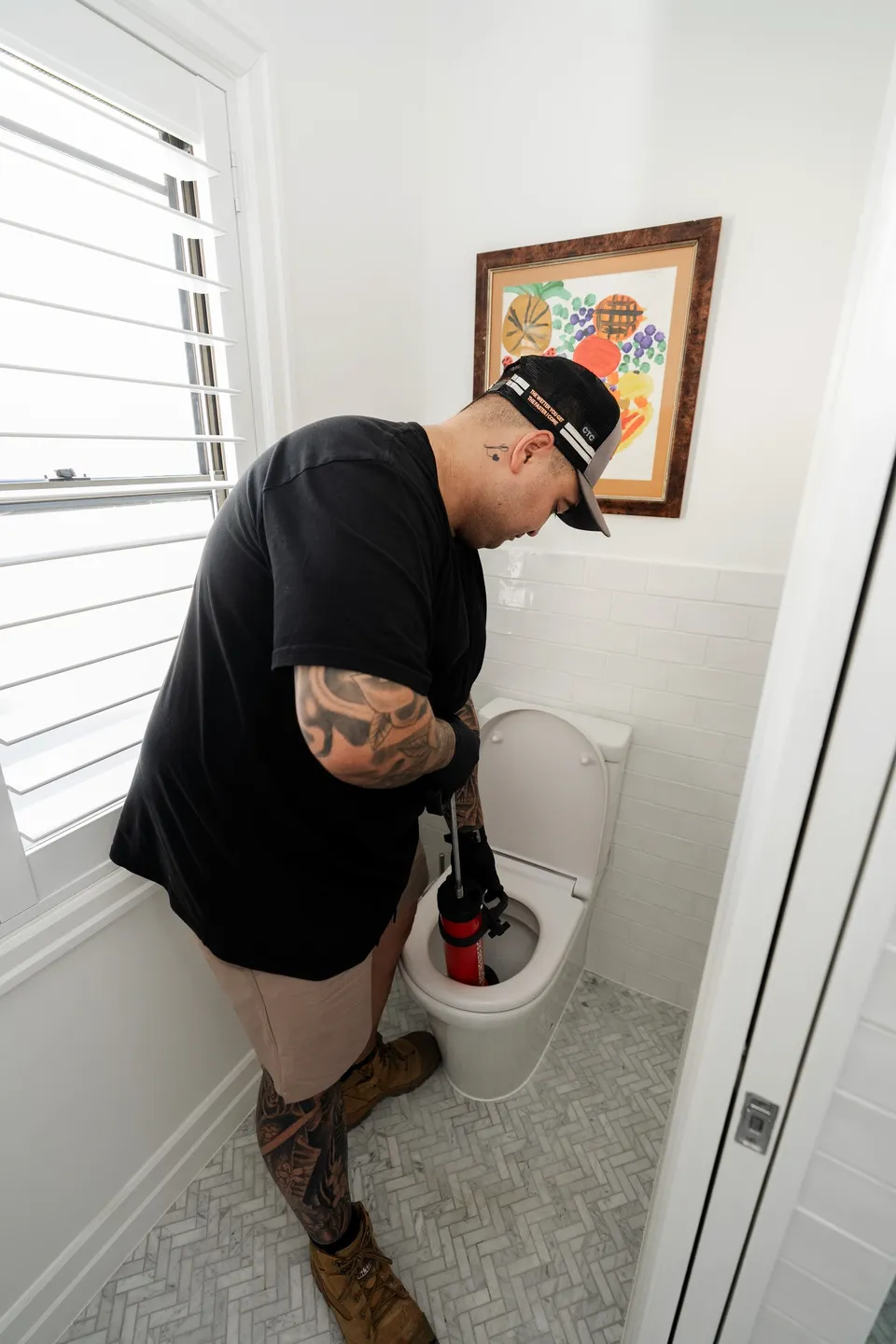
The Three Parts That Usually Fail
Three parts cause most running, leaking and slow-filling toilets: an inlet valve, an outlet valve or a seal, and each one announces itself differently.
The inlet valve
refills the cistern once you've flushed, shutting off at the float's set level. Worn or furred up, it fills slowly or keeps filling.
The outlet valve
holds water in the cistern between flushes. When its washer wears, water dribbles through to the pan, the cistern never holds its level, and the loo runs on.
The seals
join cistern to pan and pan to floor drain. A failed seal shows up as water on the floor or a sewer smell rather than a running sound.
Weak or half-hearted flushes trace to the same parts. A cistern sitting low on water, rim holes blocked by scale, or a button that sticks halfway all cut the flush short. A cistern that never fills points to an inlet valve past its best, a float riding low, or a stop tap not fully open.
Where the cistern body is sound, swapping the inlet valve and the outlet washer cures most running and leaking cisterns. That is the common outcome, and it costs far less than a new suite.
Who May Repair a Toilet in Queensland
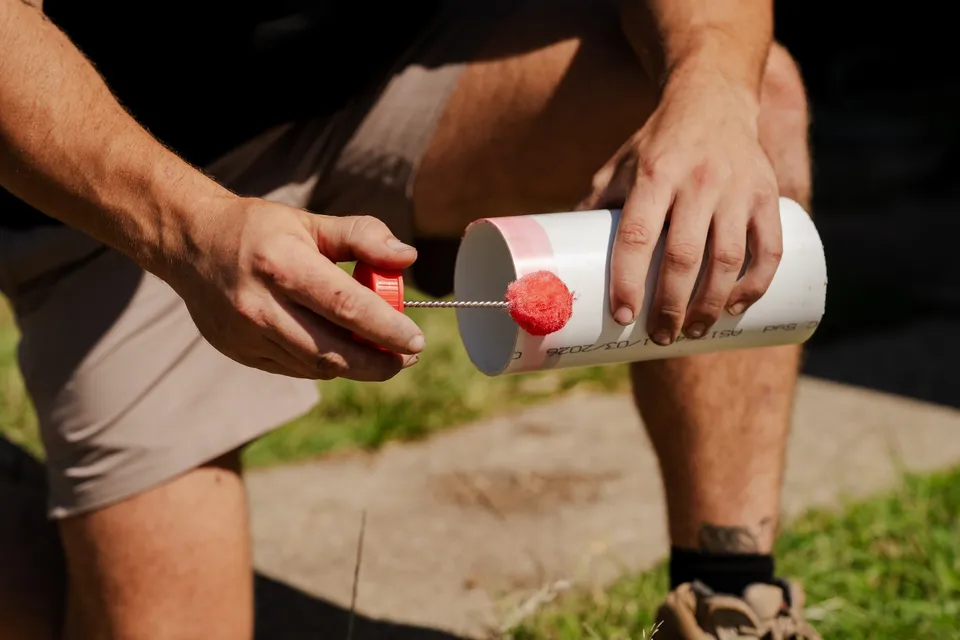
Queensland's unregulated list covers exactly three cistern parts: the washer in a drop valve, the washer in a float valve, and a suction cup rubber. Anyone with the know-how may swap those, and the finished work must still come up to standard.
Every other toilet repair is minor work in the QBCC's framework, so a QBCC licensee does the job. No permit applies and no Form 4 goes in, but the licence requirement stands. Seals, pan connectors, buttons, cistern swaps and supply connections all sit on the licensed side.
For tenants the rules run further. A broken or blocked toilet sits on Queensland's emergency repair list for rentals. The owner or their manager must maintain the premises, and the tenant's job is to report faults fast.
Silent Leaks and Sewer Smells
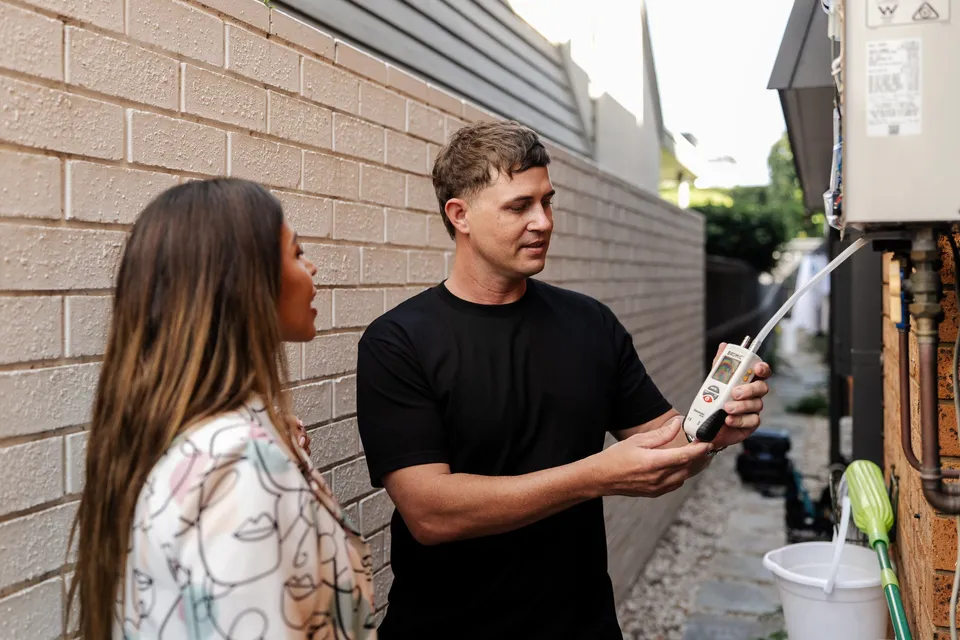
A toilet leak shows in three spots, the cistern, the base or the supply connection, and the location names the part behind it.
Water pooling at the base
usually traces to the pan connector, its rubber seal, a weeping supply joint, or a pan that has cracked.
Damp where cistern meets pan
means the seal between those two pieces has failed.
Drips at the supply end
often come from the isolation tap on the line, sometimes a mini stop, or the braided hose above it.
Sewer smells are their own fault line. A smell from a loo can mean the seals between pan and drain have perished or shifted, and a plumber checks those rubbers and the pan connector first.
Silent leaks waste water without a sound. Some food colouring dropped into the cistern and left unflushed settles it: colour turning up in the bowl means water is escaping, and flushing after clears it, since the colouring won't stain ceramic.
One catch on the bill: Urban Utilities' concealed leak adjustment leaves cistern leaks out, so the wasted water stays on your account. A running loo is worth fixing promptly for that reason alone.

When a Cracked Toilet Is Past Repair
The price turns on the part that failed, any crack in the porcelain, the room around the cistern and its isolation tap, and how many parts go in. Once we've inspected it, you get a fixed quote in writing before any work starts.
Cracked porcelain is the line where repair gives way to replacement. A worn valve is a swap; a crack through the cistern body or the pan finishes that piece, and no washer fixes it.
Repeat visits point the same way. A loo back again and again, fault after fault, can cost less to replace than to keep calling us out, and we weigh that job by job.
A replacement has its own rules. Toilets and cisterns must carry WaterMark certification and be registered under the Water Efficiency Labelling and Standards scheme (WELS) before we may legally fit one. Our toilet installation page covers that side.
What the Local Housing Mix Means
The housing here splits between interwar houses and unit blocks, and the two throw up different toilet faults. Cottages in the streets behind the Gordon Park Playground Park off Khartoum Street often run cisterns fitted decades ago, where the inlet valve and outlet washer simply reach the end of their life together.
Units are the other half. A cistern running quietly behind a closed bathroom door wastes water onto that account, and a seal failing at the pan lets water reach the unit below. The fix is the same small set of parts either way, just caught earlier.
Whatever the fault, the work sits with our tap and toilet plumbing team, alongside tap repairs for the spindle taps and mixers that wear out on the same timeline. Where a loo blocks rather than wears, the drain is the suspect, and our blocked drains page takes that work on.
How a Toilet Repair Visit Runs
- 1

Describe the problem
Phone (07) 3523 7172 or fill in the form with what you're seeing in Gordon Park. The more we know, the better we can prepare.
- 2

We lift the lid and test
The visit starts with the cistern lid off and a flush watched through its full cycle. That shows whether the inlet side, the outlet side or a seal is at fault, and we check the stop tap and supply hose while we are there.
- 3
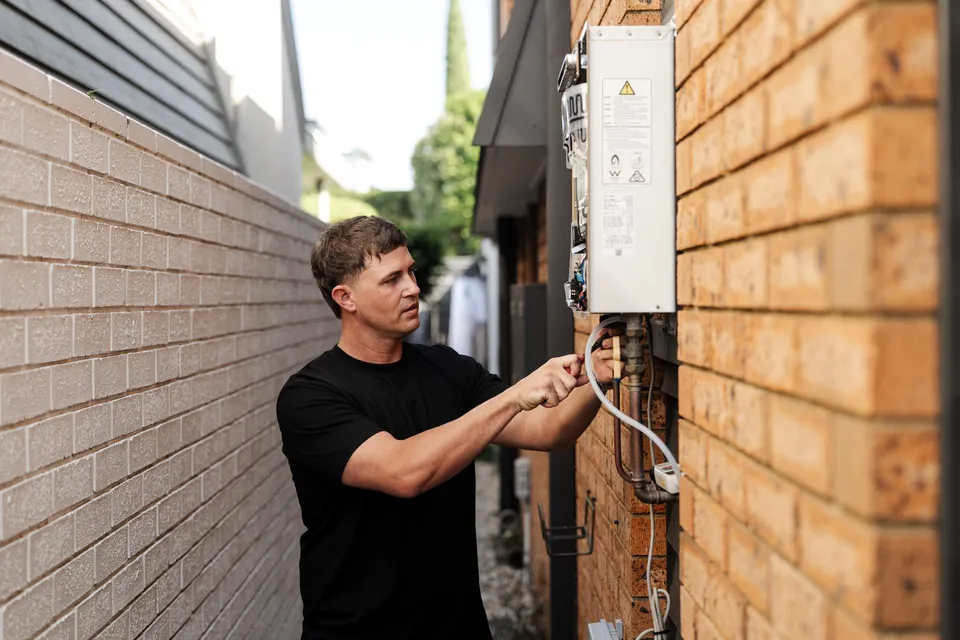
Agree on the price
A fixed quote comes before any work starts: flat-rate pricing, no hidden fees, and your go-ahead first.
- 4

Pay on completion
Card or EFTPOS on site when everything's working, or ask us about Fix now, pay later.
Plumbing job in Gordon Park?
$0 call-out fees, available 24/7, and same-day where we can.
Toilet Questions From Gordon Park
Call (07) 3523 7172What makes a toilet keep running in Gordon Park?
A worn outlet washer, usually. Water dribbles past it to the pan, the cistern never holds its level, and the loo runs on. An inlet valve that won't shut off does the same from the other end.
What causes a leak at the toilet base?
Water pooling at the base usually traces to the pan connector, its seal, a weeping supply joint, or a pan that has cracked. Damp where cistern meets pan points to the seal between those two pieces.
Why does my toilet smell of sewage?
The seals between pan and drain, usually. Those rubbers perish or shift with age, and a plumber checks them and the pan connector before anything else. The smell generally goes when the seal is renewed.
What makes a toilet flush weakly?
Three things account for most weak flushes. The water level in the cistern may sit too low, the rim holes may be blocked by scale, or the flush mechanism itself is faulty, such as a button that sticks halfway.
Can I fix a leaking toilet myself?
Yes, but only for three cistern parts. Queensland leaves the drop valve's washer, the float valve's washer and a suction cup rubber on its unregulated list, so a householder with the know-how may do them. Every other toilet repair needs a licensed plumber.
Call Gordon Park Plumbing Services About Your ToiletWe'll call you back.
Book on (07) 3523 7172 for plumbing anywhere in Gordon Park. We're available 24/7, there's no extra charge for nights, weekends or public holidays, and every job comes with $0 call-out fees.
To claim your $0 call-out fee, call (07) 3523 7172 today.